

Gutter Downpipe Repair
Gutter downpipes are a crucial component of any gutter system, effectively transporting water from the guttering to the ground. They can protect a building from water damage and require regular inspection, cleaning and maintenance to function properly.
Roof plumbers must repair a damaged downpipe as soon as they can. Here are some helpful suggestions to help you with your gutter downpipe repair:
Remove the Old Downspout
Gutter downpipes play a critical function in directing rainwater away from the foundation of your home, thereby protecting it from deterioration and preventing water damage. Sometimes, they become blocked or damaged, leading to water accumulating at the base of your structure or creating water leaks.
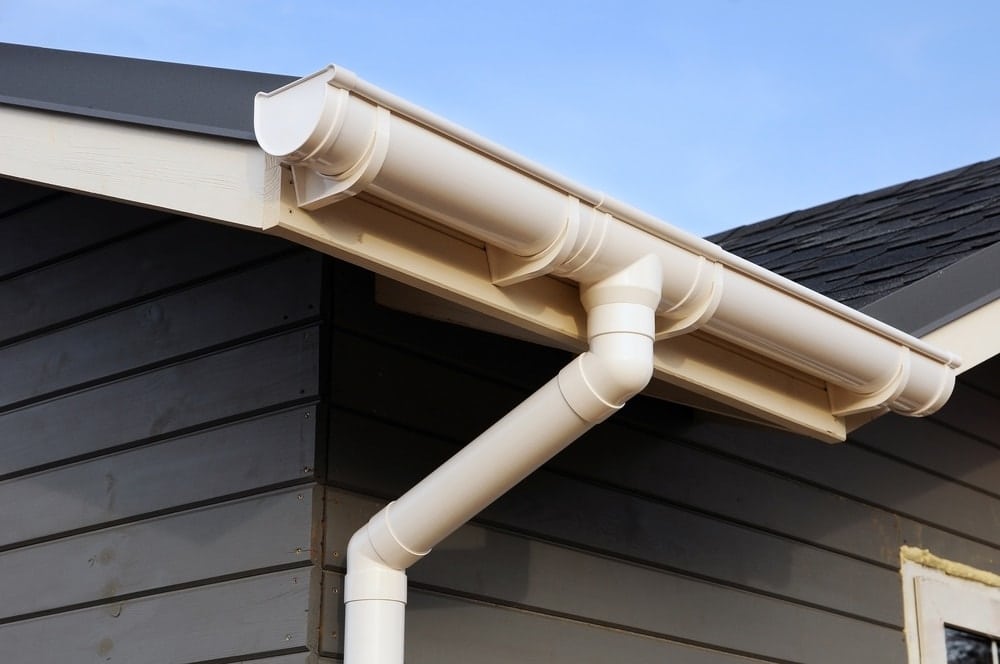
Gutter downspouts have a curvature at both the top and bottom to help catch and dispense rainwater. They also have a special hole that connects them to your gutter system. These holes are usually sealed to stop water from leaking or a buildup which can block rainwater from draining down the drainpipe.
The downpipes are connected to the guttering system by hangers, typically screws that anchor them to the wall of your house or building. You can remove the screws, but be careful not pull the downpipes out of the guttering systems. This can cause further damage.
After the downpipe is removed from the guttering you can take it off and set it aside to be cleaned or disposed. If your downpipes are dated or damaged they may require replace them. There are a variety of sizes, materials, and finishes to pick from for your gutter system. The proper size of downpipe will ensure that your gutter system is able to cope with the amount of rainfall without clogging or overflowing.
The use of gutter extensions is a different way to improve your downpipe performance. It's a fairly simple DIY project that can assist to prevent water pools near the foundation of your house and safeguard the structure of your home from water damage.
Downpipe bends can be used to create "swan necks" for your downpipe. This can redirect the water flow, preventing it to drain close to your house. The bends are made of metal or plastic. Make sure they're the right size for your guttering as well as the weather conditions.
The internal stopend of downpipes is set behind the outlet that runs to stop the guttering system from overflowing at the end of the pipe. This is also an excellent occasion to make sure that the stopend inside has not become blocked by leaves or dirt.
Clean the downspout
The downspout plays an important function in your gutter system. It should be in good working order to ensure that water flows smoothly. If see page is blocked, you might notice that your gutters are filled with. A little amount of gutter overflow isn't a problem however a completely blocked downspout could be a serious problem.
You'll have to climb your ladder if the downspout has become blocked. Before doing this however, you'll have to make sure that your ladder is set up safely. Have your assistant (preferably someone who can put pressure on the ladder) to hold the ladder while you climb it. Then, they should provide you with a garden hose. Place the hose's end in the downspout's mouth, then turn on the water. The water flow should push out the obstruction. If this doesn't work, you might need to increase the pressure or try a different method.
Next, you will want to make use of a device such as a wet and dry vac or a leaf blower to remove the debris that has been accumulating in the downspout. You could also employ a drain auger dislodge the obstruction if you have one lying around. If this doesn't work, you can try sending a larger stream of water down the downspout using a power washer.
If the clog doesn't seem to be too serious, you can try to get it removed manually. Start from the top of the downspout and move towards the bottom. Be aware that the downspout in your gutter could be clogged by muck resulting from years of decaying leaves, so you might be covered in muck when you attempt to clear it. After the obstruction has been removed, your downspout should be completely clear and water should flow freely from it at ground level. If it isn't, you will need to clean your downspout a second time before it can properly drain your gutter system. This is something you should regularly to avoid clogging.
Replace the Downspout
The downspout is a pipe that transports rainwater from the gutters to earth. Downspouts may empty into a rain barrel or garden feature or into an underground drain pipe that connects to the storm sewer or septic tank. Whatever they empty they must divert the water away from your house to prevent basement or foundation destruction and decay.
Gutter downpipes are available in a wide variety of sizes and materials. They are designed according to the roof size, gutter length and local climate conditions. It is recommended that downpipes be regularly inspected and cleared to prevent debris clogs. The downpipes must also be inspected for cracked spots and broken sections, which can be indicators of serious problems that require professional attention.
A blocked drainpipe can cause gutters to sag or even collapse. To clean a downspout, access the top using a ladder, taking extreme care and ensuring that an assistant hold the ladder in a secure manner. If you can see an obstruction, clean it with a hose and ensure that the downspout is able to drain. If the downspout is completely blocked, you'll need remove it and replace it.
Drop outlets (also called downspout outlets) are used to connect downspouts to gutters. The outlet is a small attachment that enables the downspout to extend out of the gutter. If the gutter doesn't already have a downspout installed, create an insignificant hole. Then, coat the lip of the downspout with gutter sealant. Fit it into the hole that you made in your gutter.
When reattaching the downspout to the gutter, use sheet screws made of metal instead of nails. It is also recommended to install brackets that work with your gutter system. Metal gutters, for example utilize straps to connect downpipes to walls, whereas vinyl gutters are fitted with metal brackets that attach to the sides of the gutters.
To connect a downspout to the gutter, start with a shorter length of the gutter section. It should be the same length as the elbow that's attached to the downspout. Each downspout and elbow has an area that is squeezed or "crimped," on one end. Utilizing a gutter crimper crimp the edges of this section so that it fits it inside the other elbow.
Repair the Downspout
The downpipes of gutters are exposed to elements, and will eventually wear out. This is particularly true where they connect with other components of gutters. The joints could become loose or come apart, which can drag dirt into the seals and cause leaks. With the right tools and experience, this problem is easy to fix. Regularly inspecting your guttering and downpipes can prevent problems such as clogging, standing water and leaks.
A downpipe is the last part of a guttering system that diverts water to a drainage system or soak well to stop the flood waters from affecting your home. Connect your downpipe with your soak-well and stormwater system to ensure that stormwater does not flow into other areas of your home or garden.
If your downpipe is leaky, it's likely that the end cap has either come off or has been worn away. This problem can be fixed by applying Gutter Sealant on the inside of your downpipe, where it joins with the gutter. Wearing latex gloves, you should then apply the sealant in a circular motion.
Another reason why downpipes could leak is if the gutter is not properly pitched. The gutter may have to be removed and the downpipe replaced, before the gutter is mounted again. This can be done easily enough with a ladder, but remember to use extreme caution when working at heights, and always have someone to hold the bottom of the ladder.
Downpipes can also leak out of other areas of the guttering system, for example at the elbow or the end caps. If this happens, a tiny gap in the guttering system can be repaired by using gutter sealant. Tap the sealant into the joint using your fingers, then press it in place while wearing gloves made of latex.
Leaking around the joints in a downpipe is often caused by paint or rust rubs off. This can be corrected by scraping off the old paint or rust, and applying gutter sealant to the area that needs to be sealed. It is crucial to ensure that the gutter sealant completely dries and isn't contaminated with other substances, such as dust or sand.